
A Journey to Goa: Travel Guide
As the monsoon clouds gathered over the Konkan coast, I embarked on a much-anticipated journey to Goa, seeking a blend of relaxation and adventure. The train ride from Mumbai offered glimpses of lush landscapes, setting the tone for the experiences ahead.Upon arrival in Panaji, the capital city, I was immediately captivated by the vibrant hues of Fontainhas, the Latin Quarter. Strolling through its narrow lanes, I admired the Portuguese-style villas adorned with azulejos and pastel facades, a testament to Goa’s colonial heritage. The aroma of freshly baked pão and the distant strumming of a guitar added to the quarter’s nostalgic charm.Venturing south, I found solace on the serene sands of Agonda Beach. Unlike the bustling shores of Baga or Calangute, Agonda offered tranquility, with only the rhythmic waves and occasional dolphin sightings for company. Evenings were spent savoring local delicacies like xacuti and bebinca at beachside shacks, where the hospitality was as warm as the tropical breeze.Eager to delve deeper into Goa’s cultural tapestry, I timed my visit to coincide with the São João Festival in June. In the village of Siolim, I witnessed locals donning floral wreaths, singing traditional songs, and joyfully leaping into wells—a unique tradition celebrating the monsoon’s arrival and St. John’s Day. The communal spirit was infectious, making me feel like a part of the festivities.A highlight of my trip was a visit to the Basilica of Bom Jesus in Old Goa.
Goa, India’s smallest state, is a vibrant tapestry of sun-kissed beaches, rich history, and diverse cultures. Nestled along the Arabian Sea on the western coast of India, Goa is renowned for its unique blend of Indian and Portuguese heritage, evident in its architecture, cuisine, and traditions
🌴 Beaches and Natural Beauty
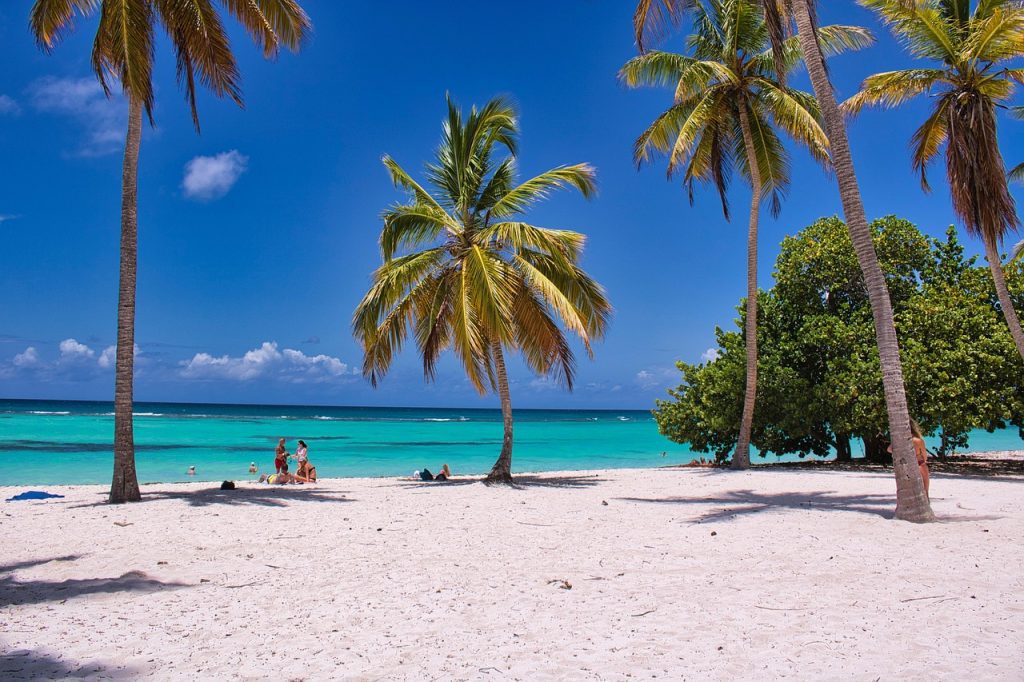
Goa’s coastline stretches for about 100 kilometers, offering a plethora of beaches catering to every kind of traveler. North Goa is known for its lively beaches like Baga, Calangute, and Anjuna, bustling with water sports, beach shacks, and vibrant nightlife. In contrast, South Goa boasts serene beaches such as Palolem, Agonda, and Benaulim, ideal for those seeking tranquility and natural beauty
🎉 Festivals and Traditions
Goa’s cultural calendar is dotted with vibrant festivals. Goa Travel Guide, held in February, features parades, music, and dance, celebrating the state’s Portuguese legacy. The São João Festival in June sees locals leaping into wells and water bodies, commemorating the birth of St. John the Baptist. Another unique celebration is Chikhal Kalo, a traditional mud festival honoring Lord Krishna’s childhood, where participants engage in playful mud games.
🛍️ Markets and Shopping
Shopping in Goa is an adventure in itself. The Anjuna Flea Market and Mapusa Market are treasure troves of handicrafts, jewelry, spices, and souvenirs. The Arpora Night Market combines shopping with live music and food stalls, offering a lively evening experience
🌿 Adventure and Nature
Beyond beaches, Goa’s hinterlands offer lush landscapes and adventure opportunities. The Dudhsagar Waterfalls, located on the Mandovi River, provide a breathtaking sight, especially during the monsoon. Wildlife sanctuaries like Bhagwan Mahaveer and Cotigao are havens for nature enthusiasts, housing diverse flora and fauna